How Sweet the Sound (of this Amazing Story)
Ignorance is bliss, as some say, and perhaps that’s why I had the blissful, though patently false and based in no reality outside of my min’d’s magical thinking, that the slow, soul-stirring anthem that is “Amazing Grace” certainly was written by an American. A Black Southern American, one who had endured enslavement, at that.
WRONG! I learned a little from Danny’s sermon last Sunday, when the Good Reverend referenced Newton with a sermon focused on Christ’s miracle of giving sight to the blind. Even I know the words to “Amazing Grace” — ‘I once was blind / But now I see” as the song goes.
Curious about the sunning fact that the writer of those words was a British dude who, before the Holy Spirit saved the poor wretch, once served as a captain on boats serving the slave trade, I wanted to learn a bit more about this man and his inspirational conversion to a Christian worldview, clear with its focuse on justice and mercy.
The writer of the famous hymn "Amazing Grace" was John Newton (1725–1807), an English clergyman who was formerly a sailor and active participant in the Atlantic slave trade.
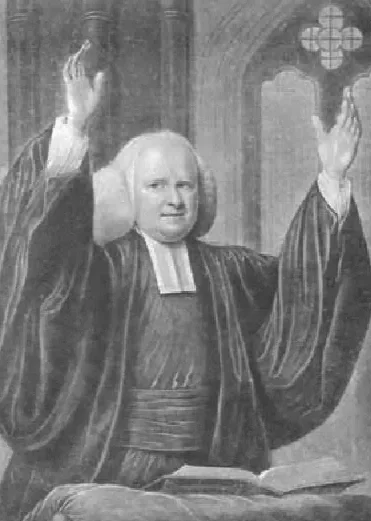
Touchdown!
No, it’s a Google image of Rev. John Newton, whose conversion from a slave-ship captain to Christian inspired his anthemn, '“Amazing Grace.”
Here are key details about his life and the song:
Slave Trader to Clergyman: Newton began his career as a sailor at age 11. In 1745, he was himself enslaved for a time in Sierra Leone before becoming a captain of slave ships. He continued to engage in the slave trade for years after his initial spiritual awakening in 1748.
Conversion: His spiritual conversion began in 1748 after surviving a violent storm at sea, where he cried out for God's mercy. He later described himself as a "wretch" who was saved from his past actions.
Abolitionist: After falling ill, he left the slave trade in 1754 and became an Anglican minister in 1764. Later in life, he became an outspoken abolitionist, publishing a pamphlet titled Thoughts Upon the African Slave Trade (1788) in support of William Wilberforce's work.
Amazing Grace: Newton wrote the lyrics around 1772 for a New Year's Day sermon in 1773. It was published in the Olney Hymns collection in 1779.
The Hymn's Evolution: The lyrics were initially titled "Faith's Review and Expectation" The well-known tune, "New Britain," was paired with the lyrics in 1835 by American William Walker.
OHHHHhhh …. William Walker …. Maybe that’s why ‘Amazing Grace’ always rang in my ears with the soft sweetness of Southern music, particularly of the African-American traditions. William Walker, composer of the magnificent, definitive songbook, Southern Harmony and Musical Companion?
More on the simple, elegant genius of Walker and that songbook next week …..
